Mobile Game News

Android, iOS, live-game, esports, and handheld coverage from the mobile gaming desk.

The Gameforce Mobile news desk publishes compact daily reports on new mobile game releases, live-service updates, redeem codes, soft launches, hardware, and the mobile games industry, with sources named in every story.

Page 198 of 200

News categories

“Twin Shot returns: Angel Cats reboot lands on iOS/Android with co-op chaos energy”

Mobile Game / Apr 30, 2026

“Twin Shot returns: Angel Cats reboot lands on iOS/Android with co-op chaos energy”

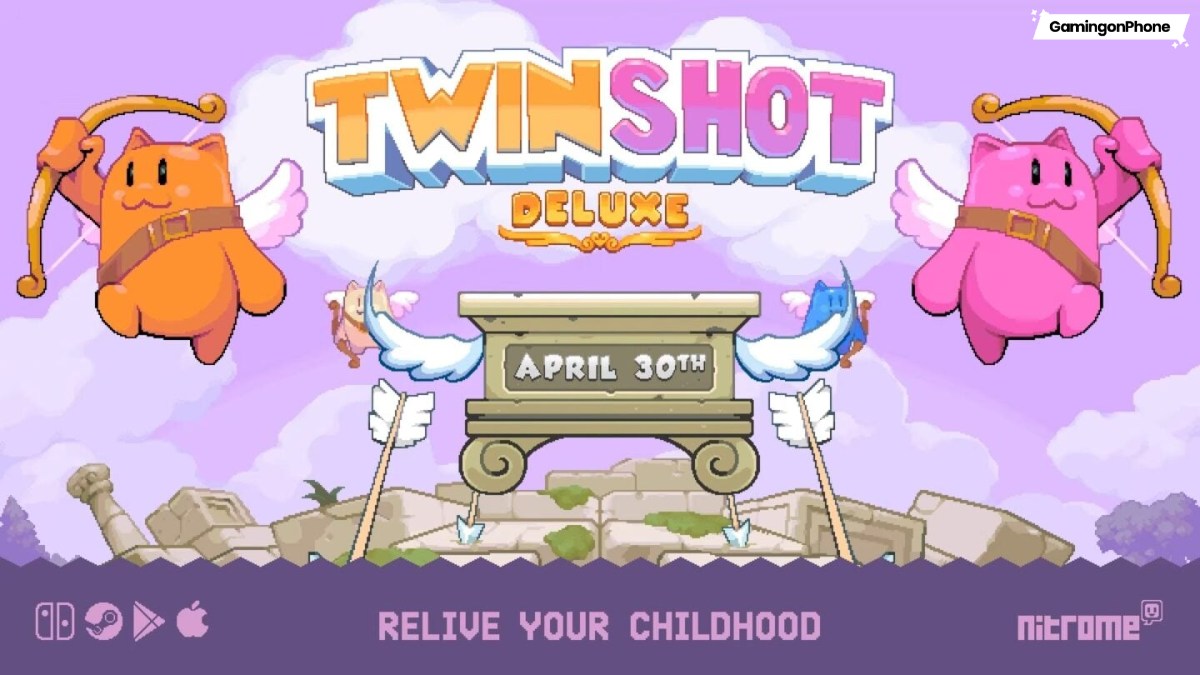
Twin Shot Deluxe launched on April 30 for iOS and Android (alongside other platforms), bringing back the series’ ‘cute characters, frantic shooting’ identity in a modern package. The mobile significance is that this is exactly the kind of arcade-forward game that fits phone play patterns: short bursts, quick skill checks, and replay loops that don’t demand a 45-minute commitment. The bigger trend angle: 2026 mobile releases are increasingly split between massive ‘forever games’ and sharp, premium-ish arcade experiences that respect your time. Twin Shot Deluxe sits firmly in the second lane — the appeal is immediate readability and that “one more run” dopamine, not a giant onboarding funnel. Launch day also tends to be the best moment to jump in if you like communities: early leaderboards form, strategies spread fast, and co-op groups (if you play socially) are easiest to find when everyone is new. If the controls are tight and performance is stable, Twin Shot Deluxe is the kind of mobile release that can become a commuting staple — high energy, low friction.

“New survival RPG hits iOS: Survival: The Dark Portal arrives as an App Store day-one drop”

Mobile Game / Apr 30, 2026

“New survival RPG hits iOS: Survival: The Dark Portal arrives as an App Store day-one drop”

Survival: The Dark Portal is listed as releasing on April 30 on the iOS App Store, positioning itself in the evergreen “survival + RPG progression” lane that performs well on mobile. What makes these launches relevant isn’t just the premise — it’s how they compete for attention: survival RPGs on phones live or die by early-session feel (controls, UI clarity, and how quickly you get to ‘meaningful choices’) and by whether the economy respects players who don’t want to spend immediately. The App Store listing makes clear it’s a free download with in-app purchases, which signals the familiar structure: onboarding should feel generous, then the long-tail loop determines whether players stay. For gamers, April 30 is the cleanest moment to try it because discovery is highest on release day: more organic store visibility, more early players, and faster community answers to “is this worth my time?” If you’re hunting for something new to test, this is one of those releases that’s easiest to evaluate quickly — within a single session you’ll know whether it’s a ‘stick around’ survival loop or just another icon you forget about.

“Galaxy S26 is still the ‘small flagship’ pick — but gaming drains it faster than the marketing suggests”

Phone Hardware / Apr 30, 2026

“Galaxy S26 is still the ‘small flagship’ pick — but gaming drains it faster than the marketing suggests”

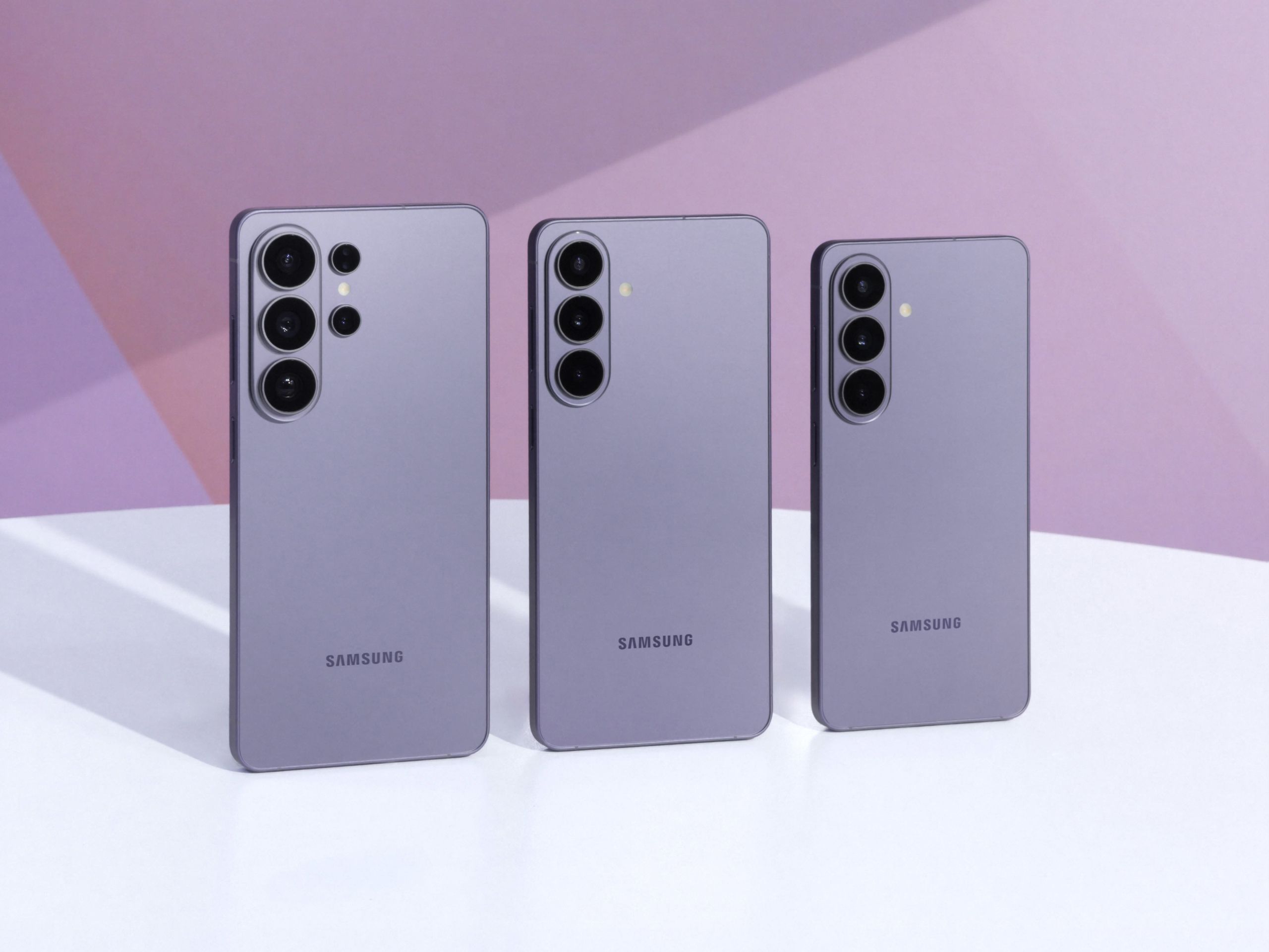
April 30 coverage of Samsung’s Galaxy S26 paints it as the company’s most compact 2026 flagship option: a 6.3-inch AMOLED with modern flagship features in a more pocket-friendly body. The review angle that matters for gamers is battery behavior: while the phone can last around 40 hours in average use, even a couple of hours of gaming is described as a meaningful hit, making it less ideal for the ‘hardcore mobile gamer’ crowd compared to larger, more battery-heavy alternatives. Hardware-wise, the S26 uses Samsung’s Exynos 2600 (outside North America in this coverage), and it’s framed as closer to Qualcomm’s top-tier performance than previous Exynos generations — a notable point for anyone who historically avoided Exynos variants. The bigger reason this is hardware news on April 30 is that it anchors what “mainstream flagship Android” looks like for 2026: strong screen, long update window, solid day-to-day performance — but still the same practical tradeoffs around battery when you push it hard. If you want a compact premium phone, the S26 remains a top contender; if you want long gaming sessions, size still matters.

“Moto G Stylus (2026) finally gets an active pen — and the price climbs with it”

Phone Hardware / Apr 30, 2026

“Moto G Stylus (2026) finally gets an active pen — and the price climbs with it”

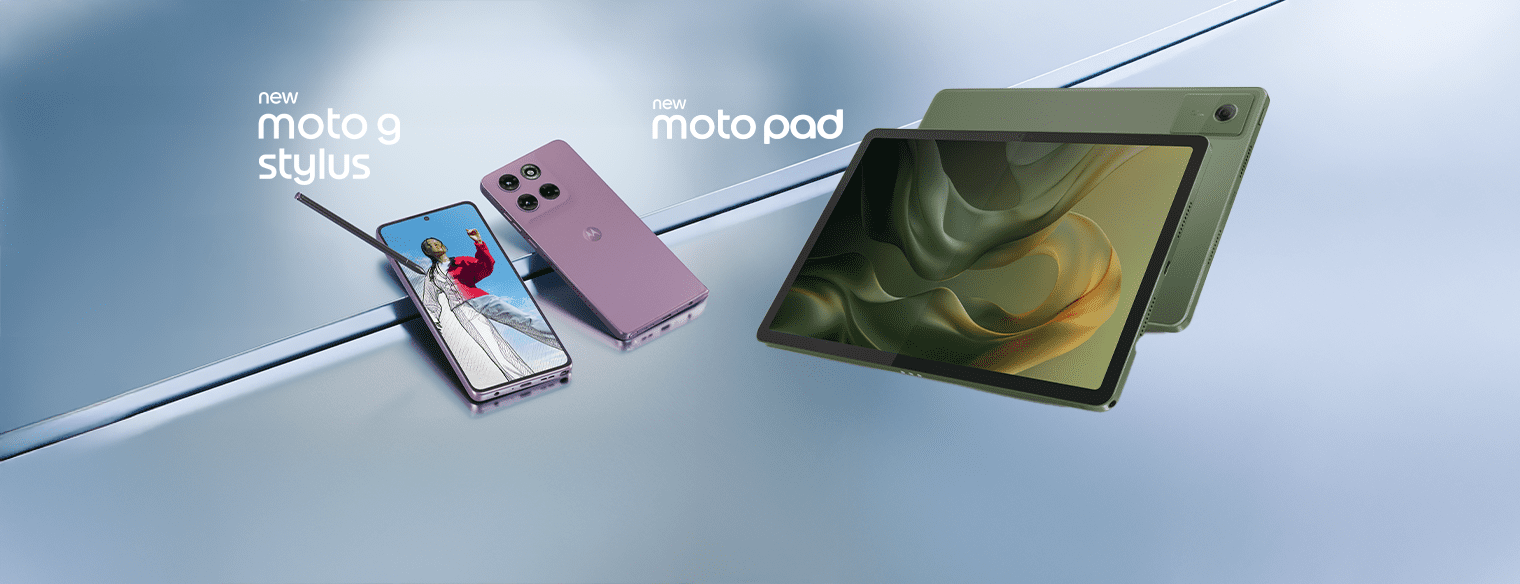
Wired’s April 30 review frames the Moto G Stylus (2026) as a niche phone that still exists for people who genuinely want three things most phones have abandoned: a built-in stylus, a headphone jack, and a microSD slot. The headline upgrade is the stylus itself: it’s now an active pen supporting tilt and pressure sensitivity, and it recharges automatically when docked in the phone — meaning it’s closer to ‘real note tool’ than the passive toothpick styluses of the past. The tradeoff is pricing: the model reviewed sits at $500, and the review calls out that it’s harder to justify at that level versus rivals with stronger cameras and longer software support. Performance is described as fine for everyday use but more limited in graphics-heavy gaming compared to competing devices in the same bracket, while battery life is a bright spot (5,200mAh plus wireless charging support). For mobile gamers, the relevance is practical: this isn’t a ‘gaming phone,’ but it is a ‘feature phone’ in the old sense — it prioritizes specific hardware needs. If you’re a stylus loyalist, April 30’s verdict is basically: better pen, higher price, and you accept the compromises because nobody else sells this combo anymore.

“OnePlus Pad 4 launches with ‘flagship tablet’ energy: big screen, big battery, big silicon”

Mobile Hardware / Apr 30, 2026

“OnePlus Pad 4 launches with ‘flagship tablet’ energy: big screen, big battery, big silicon”

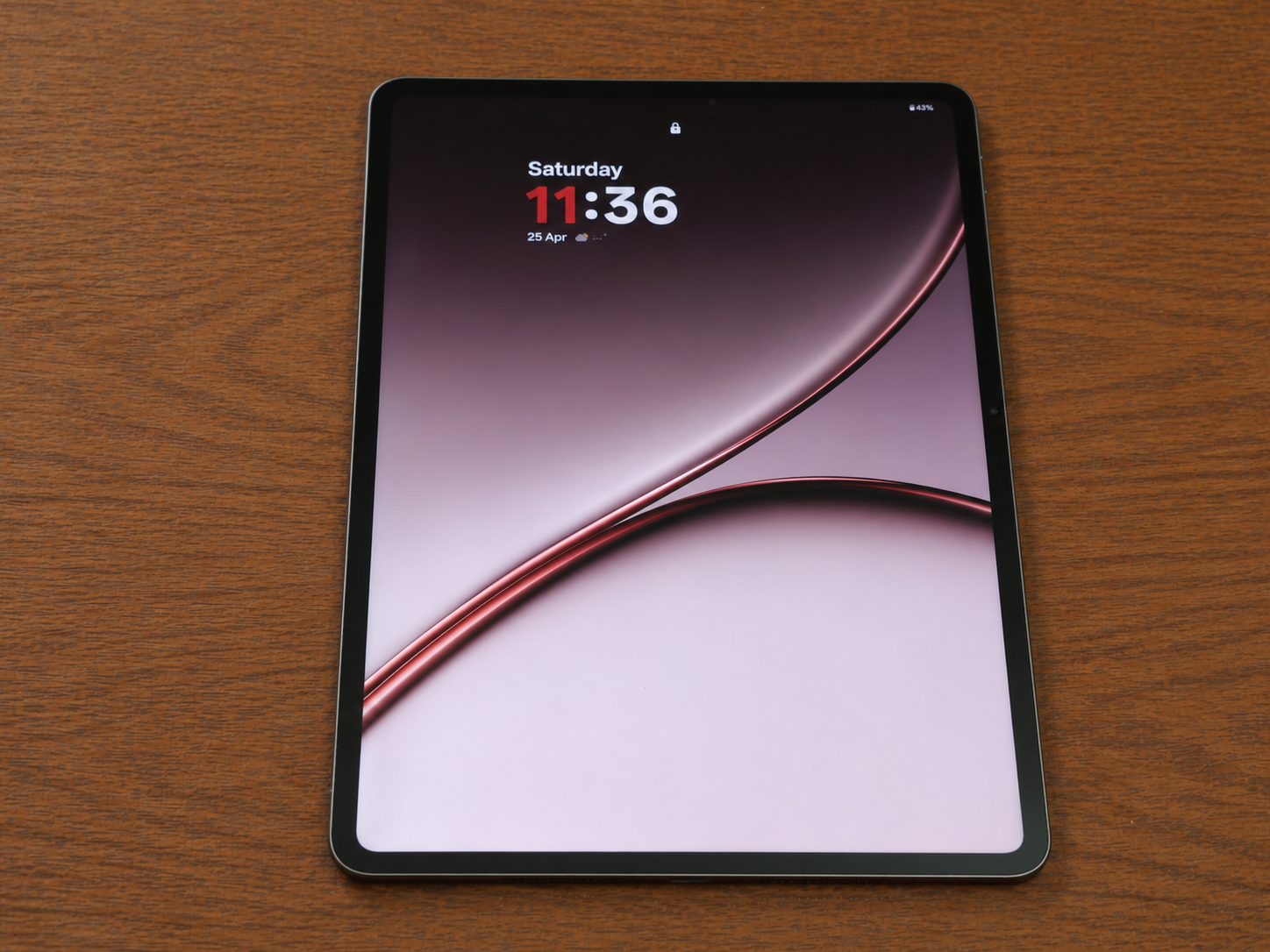
OnePlus launched the Pad 4 on April 30, pitching it as a flagship-grade Android tablet built around top-tier performance and endurance. The reported headline specs are very ‘power-user’: a Snapdragon 8 Elite Gen 5 chipset, a 13.2-inch 3.4K display, eight speakers aimed at surround-like output, and a 13,380mAh battery — all signals that OnePlus wants this to be both a media monster and a productivity slab. For mobile gaming, tablets like this matter because they’re where many demanding games feel best: bigger screen for UI-heavy RPGs and strategy titles, more room for touch controls, and typically better sustained performance than ultra-thin phones simply because there’s more physical space to manage heat. The Pad 4 also supports the OnePlus Stylo Pro stylus, reinforcing the idea that it’s competing for ‘work + play’ time, not just Netflix time. In short, April 30’s tablet news is about the ongoing shift: high-end Android tablets are again being marketed as serious devices, and gaming is one of the clearest ways to justify their horsepower.

“Your childhood computer becomes a handheld: C64 and ZX Spectrum get pocket-sized reboots”

Gaming Hardware / Apr 30, 2026

“Your childhood computer becomes a handheld: C64 and ZX Spectrum get pocket-sized reboots”

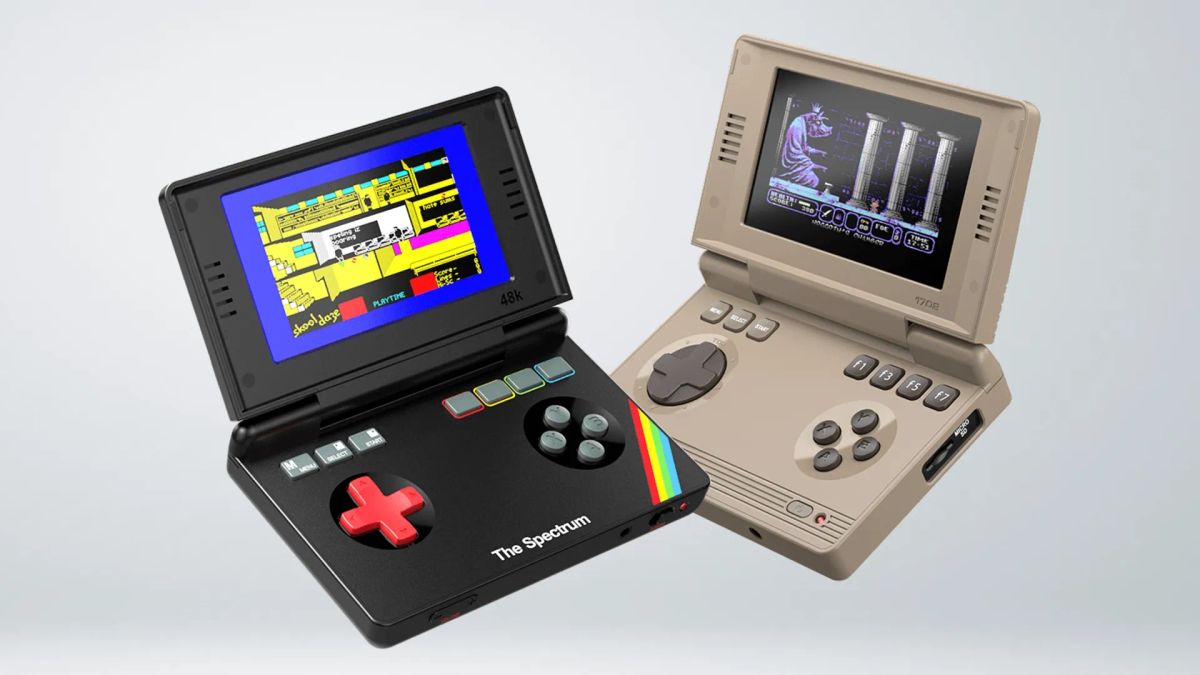
Blaze Entertainment unveiled two retro-gaming handhelds inspired by the Commodore 64 and the ZX Spectrum, reimagining classic home computers as dedicated portable gaming devices. Each handheld packs a 4.3-inch 800×480 screen, stereo speakers, a headphone jack, USB-C charging, and a control layout built for old-school games (with remappable controls). They ship with 25 built-in games each — including iconic picks like Boulder Dash for the C64 — and support additional titles via microSD. For mobile hardware watchers, this matters because retro handhelds keep expanding beyond generic emulator boxes into licensed nostalgia products: you’re paying for authenticity and curation, not just hardware. It’s also part of a broader 2026 trend where ‘portable’ isn’t only phones — handheld gaming devices are multiplying because people want dedicated play hardware again, especially for back-catalog comfort gaming. The main practical caveat from the coverage: battery life is quoted around three hours, so this is more “train ride nostalgia” than “all-day device.” Still, as April 30 news, it’s a fun reminder that the handheld market is now big enough to support wildly specific retro dreams.

“Moto Buds 2 Plus land today — Motorola’s ‘AirPods rival’ play joins the foldable wave”

Mobile Hardware / Apr 30, 2026

“Moto Buds 2 Plus land today — Motorola’s ‘AirPods rival’ play joins the foldable wave”

Motorola’s April hardware splash wasn’t only phones: Moto Buds 2 Plus are slated to go on sale on April 30, arriving as a premium-ish earbuds option positioned alongside Motorola’s new Razr lineup. The timing matters because accessory launches increasingly piggyback on phone cycles: new foldables drive attention, and earbuds ride that attention into retail. For mobile users, the key value proposition is always the boring stuff that matters: active noise canceling quality, comfort, and battery life — the difference between earbuds you wear daily and earbuds that live in a drawer. From a market perspective, this release shows Motorola continuing to build an ecosystem story rather than “just phones.” That matters because ecosystems create stickiness: if you like your earbuds integration, you’re more likely to buy the next phone from the same brand. For gamers, decent ANC + low-latency performance is the practical win — especially if you play shooters or rhythm games on mobile and you care about audio timing. April 30’s accessory news isn’t flashy, but it’s the kind of product that quietly becomes your most-used hardware if it nails the basics.

A compact flagship that cheats physics: Vivo ships the X300 FE across Europe with a huge battery and a telephoto ‘extender kit’

Mobile Hardware / Apr 29, 2026

A compact flagship that cheats physics: Vivo ships the X300 FE across Europe with a huge battery and a telephoto ‘extender kit’

Vivo released the X300 FE more broadly across Europe on April 29, pitching it as a compact flagship that doesn’t do the usual compact compromises. Reporting highlights a phone roughly Galaxy S-sized but packing a much larger battery (6,500mAh), fast wired and wireless charging, and a bright 6.31-inch 120Hz AMOLED panel that can hit very high peak brightness. Vivo also pushes an optional Telephoto Extender Kit bundle—essentially turning the camera story into an accessory story, which is a clever way to differentiate in a sea of “50MP everything.” For mobile gamers, compact flagships are a sleeper category: they’re easier to hold for long sessions than giant phones, and if the battery and cooling are good, you get the best of both worlds—comfort plus endurance. The pricing is premium (around the €999 tier, with bundles higher), so this is not a “value” phone; it’s a “small flagship, no excuses” phone. The bigger implication is market direction: more brands are treating compact phones as true flagships again instead of watered-down variants. If you want a one-handable phone that can still handle heavy games, streaming, travel days, and camera duties without panic-charging, launches like this are exactly the trend to watch.

$1,900 for the battery flex: Motorola prices the Razr Fold like a flagship and dares rivals to match its 6,000mAh cell

Mobile Hardware / Apr 29, 2026

$1,900 for the battery flex: Motorola prices the Razr Fold like a flagship and dares rivals to match its 6,000mAh cell

Motorola finally put a price tag on its book-style Razr Fold: $1,900 in the US, launching mid-May. That price plants it right in the premium foldable cage match, and Motorola’s main weapon is endurance: a 6,000mAh silicon-carbon battery, which is unusually large for this form factor. For mobile gamers and heavy users, that’s the kind of spec that can actually matter more than camera tweaks—foldables are amazing screens, but many of them still feel like “carry a charger” devices if you stream, hotspot, or game a lot. The tradeoff is the obvious one: at this price, you expect top-tier everything—durability, software polish, camera consistency, and long-term support. The Fold’s dust rating limitations also remain part of the foldable reality, so this isn’t “rugged,” it’s “premium delicate.” The bigger market impact is competitive pressure: if Motorola can deliver noticeably better real-world battery life in a big fold, it forces everyone else to answer the question, “Why does my expensive foldable die first?” If you’ve been waiting for foldables to feel practical, this is one of the more meaningful attempts yet—expensive, yes, but targeting a real pain point.

Motorola makes flipping a whole ecosystem: three new Razrs go official with bigger batteries, brighter screens, and heavy ‘style tech’ energy

Mobile Hardware / Apr 29, 2026

Motorola makes flipping a whole ecosystem: three new Razrs go official with bigger batteries, brighter screens, and heavy ‘style tech’ energy

Motorola’s new razr lineup is official: razr ultra, razr+, and razr, all leaning into the formula that’s made flip phones mainstream again—external screens you actually use, fast refresh rates, and materials that look like fashion, not plastic. Motorola’s own announcement emphasizes the 4-inch external display on the ultra and + (165Hz, bright enough for outdoor use), plus large internal AMOLED panels and a stack of AI camera features. The marketing angle is “premium without compromise,” but the gamer-facing angle is more practical: high refresh rates and brighter displays make fast games look better, and bigger batteries matter because flip phones historically trade endurance for style. Motorola is also loud about durability upgrades (hinge reinforcement and tougher glass), which is key if foldables are going to be everyday devices, not fragile trophies. Availability and pricing details in the announcement also make it clear these are positioned as serious flagship products, not experiments. For buyers, the decision tree is simple: if you want the “best-looking phone in the room,” the Razr line keeps winning. If you care about value, you’ll be comparing these to slab flagships and asking whether the foldable lifestyle is worth the premium. Motorola is betting the answer is yes—again.

Chaos Zero Nightmare hits its half-anniversary with ARISE: higher-risk runs, Season 3 story, and a pile of rewards to lure you back

Mobile Game / Apr 29, 2026

Chaos Zero Nightmare hits its half-anniversary with ARISE: higher-risk runs, Season 3 story, and a pile of rewards to lure you back

Chaos Zero Nightmare’s “ARISE” update is a classic live-service mid-year pivot: it adds a new mode, tweaks core systems to reduce repetition, and stacks enough rewards to pull lapsed players back into the loop. The headline feature is Sortie Mode, which reframes the roguelike structure around riskier run-based progression and a “Fate” system—less safety net, more decision weight. Alongside that, the update rolls in Season 3 story content (A Song Rippling Through the Stars), additional cards/systems, and quality-of-life changes like battle skipping for certain content. For players, these updates matter because they change what the game feels like day-to-day. If you’ve been bouncing off repetition, the goal here is to make runs feel meaningfully different. If you love optimizing builds, system changes can also spark a “new meta week” where everyone experiments again. The half-anniversary reward stack (selection tickets/free pulls) is the practical hook—these are the best windows to start or return because you can build a competent roster faster. Net: ARISE is Smilegate saying “we’re not just maintaining; we’re re-shaping,” and that’s the kind of signal mobile communities look for when deciding whether a game has a long future.

Papers, Please… on rails: Beholder: Conductor launches on mobile and turns ticket checks into moral damage

Mobile Game / Apr 29, 2026

Papers, Please… on rails: Beholder: Conductor launches on mobile and turns ticket checks into moral damage

Beholder: Conductor is out now on iOS and Android, and it leans into a particular flavor of tension mobile doesn’t get enough of: slow, deliberate moral pressure instead of fast reflex pressure. You play a senior conductor on a train where your job is surveillance—inspecting passengers, enforcing rules, and deciding what counts as “suspicious.” The moving-train setting is a smart twist because it makes your choices feel like baggage: you’re not in one booth doing one shift; you’re walking through carriages carrying consequences with you. For mobile players, this is a great fit because it’s session-friendly without being shallow: you can complete a short segment, make a few decisions, then stop—yet the story sticks in your head after you put the phone down. The real gamer-facing question is how it balances “game” vs “message.” The best titles in this lane let you feel the weight of the system while still giving you enough agency to experiment and replay. If you like narrative sims that make you uncomfortable in the interesting way, this is a strong “play with headphones” recommendation. It’s not a time-killer; it’s a mood.

A duck, a pachinko gun, and 50 birds: Quack Quack Attack opens pre-reg and dares you not to try it

Mobile Game / Apr 29, 2026

A duck, a pachinko gun, and 50 birds: Quack Quack Attack opens pre-reg and dares you not to try it

Quack Quack Attack – PEGG Blaster got announced with pre-registration now open, and it’s exactly the kind of mobile pitch that wins on “wait, what?” curiosity. The core gameplay is pachinko-style: you fire shots (eggs) into a board, bounce them through enemies, and chain clears—simple at first glance, then deeper once squad composition matters. Coverage points to a roster of 50 birds across multiple classes/elements, with a five-bird squad per stage, upgrades, and PvP modes layered on top. For players, the practical meaning is: this isn’t just a novelty name—it’s aiming for that sweet spot where runs are quick, feedback is satisfying, and progression gives you new toys frequently enough to keep you in the loop. If you like puzzle shooters (Peggle-ish dopamine, but with loadouts and class synergy), this is the kind of game you’ll know you like within five minutes. The thing to watch is monetization: squad-based games often drift into power creep if PvP rewards are too central. But as an announcement beat, April 29 is a clean “bookmark it” moment—pre-reg now, rewards likely at launch, and a concept that’s immediately clip-friendly.

Neverness to Everness is live: a supernatural city gacha-RPG launches with cross-play and ‘clear your storage’ energy

Mobile Game / Apr 29, 2026

Neverness to Everness is live: a supernatural city gacha-RPG launches with cross-play and ‘clear your storage’ energy

Neverness to Everness (NTE) officially goes live on April 29 (11:00 UTC+8) across iOS and Android (plus PC, Mac, and PS5), and the launch messaging is unusually concrete: cross-play/cross-progression is supported as long as you use your PWG account, and the game is very explicit about device requirements and storage needs. That matters for players because this is one of those modern “big-client” launches—think large downloads, big install footprints, and the kind of performance profile that separates newer phones from older ones quickly. For mobile gamers, the upside is scale: a city-based supernatural open world that’s designed to feel like a main-platform experience, but playable in short sessions. The other big impact is community timing: launch week is when the economy, drop rates, and “is this generous or stingy?” debates get decided in public. If you want the smoothest social experience—guilds forming, guides being written, co-op activity peaking—this is your moment. If you want stability and fewer queues, waiting a few patches is usually smarter. Either way, April 29 is the real starting line: the game is no longer a promise, it’s a living service with a meta that will evolve fast.

A ‘work tablet’ with gamer DNA: Lenovo’s Idea Tab Pro Gen 2 ships with Snapdragon power and a big 3.5K screen

Mobile Hardware / Apr 28, 2026

A ‘work tablet’ with gamer DNA: Lenovo’s Idea Tab Pro Gen 2 ships with Snapdragon power and a big 3.5K screen

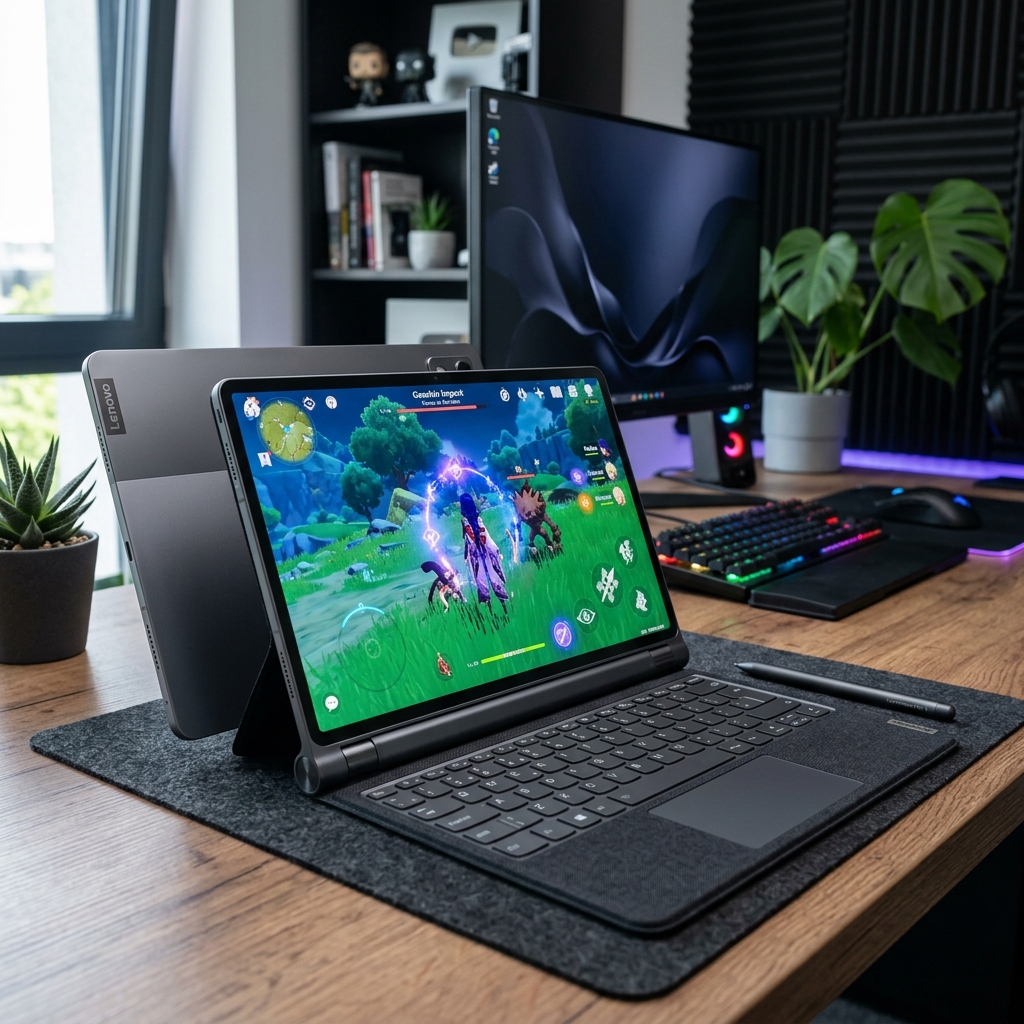
Lenovo launched the Idea Tab Pro Gen 2 in India and it reads like a tablet built to do two jobs at once: productivity when you want to be serious, and entertainment when you’re done pretending. The headline specs include a 13-inch 3.5K display, a Snapdragon 8s Gen 4 processor, quad JBL speakers with Dolby Atmos, and bundled pen support—plus optional keyboard accessories to push it toward “laptop-ish.” For mobile gamers, big tablets like this are underrated: touch controls feel less cramped, strategy/ARPG UIs become readable, and you can run longer sessions without the same battery anxiety phones create. It’s also a strong streaming/cloud-gaming device because the screen and speakers are doing real work. The AI feature list (notes, transcription, “smart reader” tools) is nice, but the real gamer value is simple: high-end silicon in a big chassis usually means better sustained performance and less heat discomfort than a thin phone. If you’re the kind of person who wants one portable screen for Netflix, work docs, and games, tablets like this are the quiet “best of both worlds” category—and this launch pushes that idea harder.

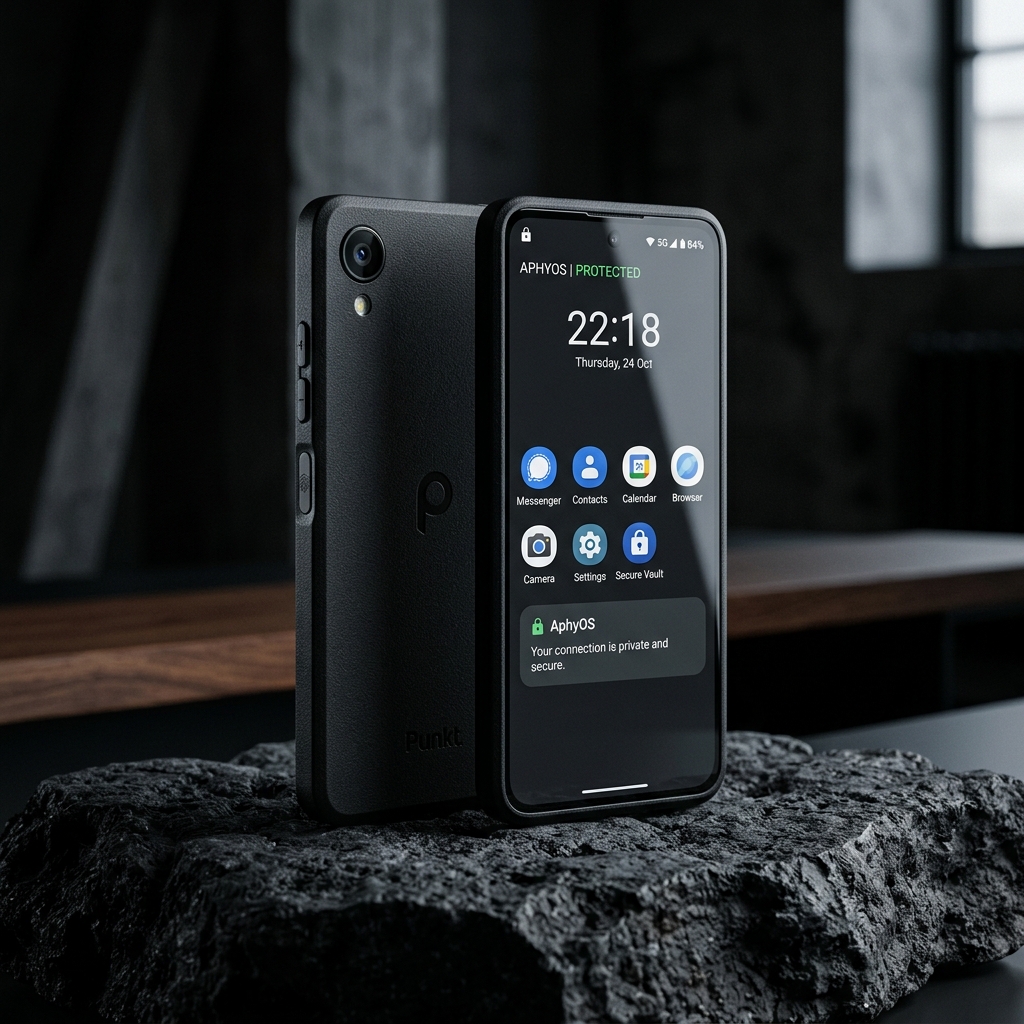
The ‘privacy phone’ gets real: Punkt MC03 brings a security-first Android fork… and a subscription twist

Mobile Hardware / Apr 28, 2026

The ‘privacy phone’ gets real: Punkt MC03 brings a security-first Android fork… and a subscription twist

Punkt’s MC03 is aimed at people who treat privacy as a feature, not a preference, and the hands-on coverage makes the tradeoffs very clear. Hardware-wise it’s rugged and modern enough—120Hz OLED, 5G, IP68, wireless charging, Dimensity 7300, and a removable battery—while the real pitch is the software: AphyOS, a privacy-focused Android fork with a curated “Vault” mode and a more open “Wild Web” environment. The catch (and it’s a big one): after the first year, AphyOS features require a paid subscription, on top of a premium upfront price. For gamers, this isn’t a “buy it for performance” story. It’s more about the niche of users who want a phone that actively discourages doomscrolling, reduces tracking, and still runs the apps they need—plus it can survive real-world abuse. The question for buyers is value: do you want a security-first ecosystem enough to accept midrange internals and recurring fees? If yes, the MC03 is a rare “privacy + rugged” combo. If not, you’ll likely see it as an expensive phone that charges you again for the part you actually came for.

A $100 giant-screen phone enters the chat: Poco C81 Pro bets on ‘big display + huge battery’ over everything else

Mobile Hardware / Apr 28, 2026

A $100 giant-screen phone enters the chat: Poco C81 Pro bets on ‘big display + huge battery’ over everything else

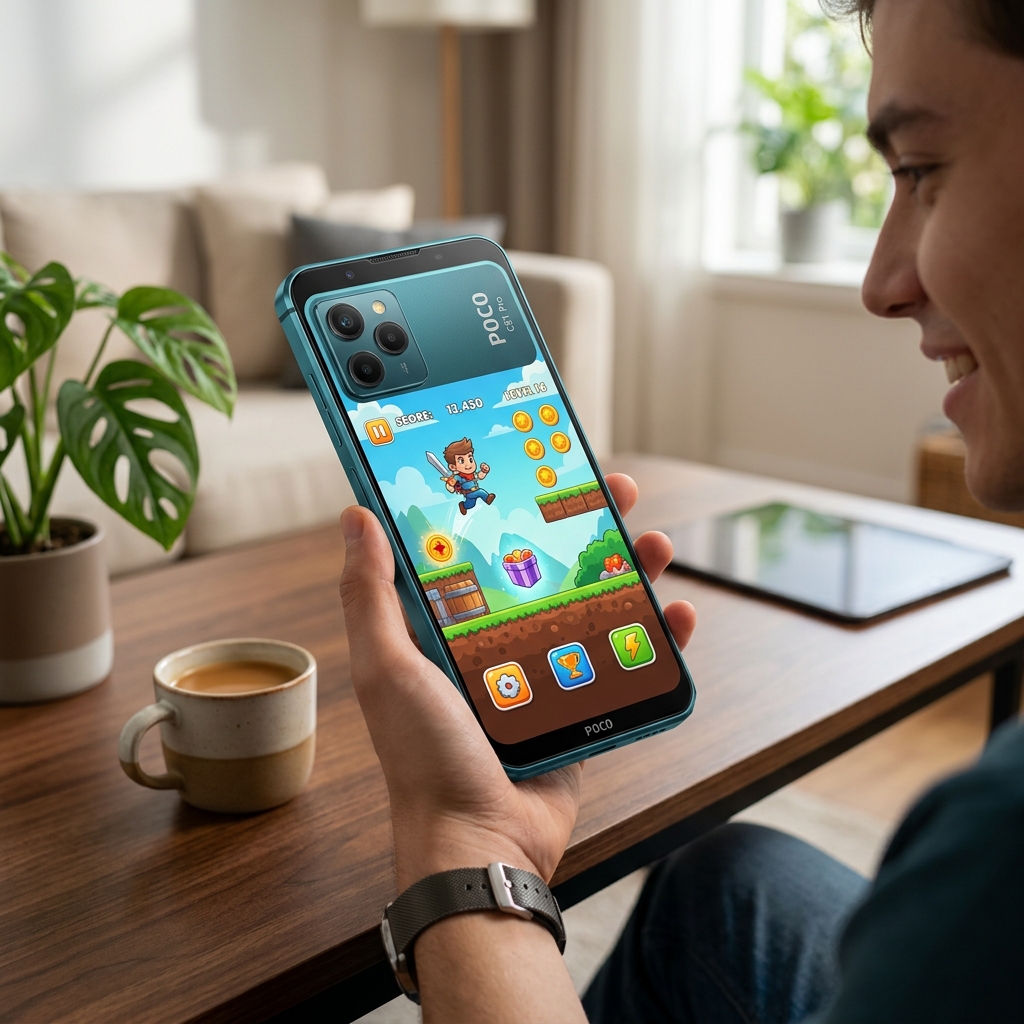
Poco’s C81 Pro is the most honest kind of budget phone: it’s built around the two specs that matter most to mainstream users—screen size and battery—then keeps everything else sensible. Reporting around the launch highlights a 6.9-inch HD+ display, a Unisoc T7250 chipset, and a chunky 6,000mAh battery with basic 15W charging. For mobile gamers, the appeal is “cheap big screen,” but the warning label is performance: this is a casual-friendly device, not a high-FPS monster. You’ll get a better experience in lighter titles (puzzle, casual, strategy, runners), while heavy shooters will be more about acceptable settings than max settings. The upside is endurance—big batteries matter for people who play in bursts all day (and for kids/teens who forget chargers exist). Poco also leans into practical extras like a headphone jack and expandable storage, which are increasingly rare and still genuinely useful. Bottom line: the C81 Pro is a ‘first phone / backup phone / travel phone’ play that prioritizes long battery life and a big canvas. If your mobile gaming life is mostly casual, it’s a lot of device for very little money.

Brawl Stars goes full anime: My Hero Academia skins arrive, and there’s a timed ‘win streak’ path to a freebie

Mobile Game / Apr 28, 2026

Brawl Stars goes full anime: My Hero Academia skins arrive, and there’s a timed ‘win streak’ path to a freebie

Supercell’s Brawl Stars kicked off its first anime collab by teaming with My Hero Academia, and the reason it matters isn’t just cosmetics—it’s player behavior. Big crossovers create short-term “everyone logs in now” gravity: matchmaking gets busier, social feeds get noisier, and even lapsed players reinstall to grab limited stuff. The collab adds five themed skins, with one positioned as earnable for free through a limited-time challenge that requires a nine-win run, active until May 7. That’s a smart design: it turns the collab into a skill moment, not just a shop moment, and gives the whole community a shared goal (and shared pain) for the next week. For players, the practical takeaway is timing. If you want the free skin, you’ll get the best shot during the first few days while the playerbase is widest and you can queue quickly. If you don’t care about cosmetics, these events still change the vibe of the game—more variety, more experimentation, and more chaotic team comps as people chase wins. It’s basically a mini-season inside the season, and April 28 is the starting gun.

Genesis War goes global: turn-based tactics, hero-collecting, and a launch event buffet designed to hook you fast

Mobile Game / Apr 28, 2026

Genesis War goes global: turn-based tactics, hero-collecting, and a launch event buffet designed to hook you fast

Genesis War officially opened worldwide on April 28, and it’s arriving with the classic “day-one feast” strategy: lots of content, lots of limited-time rewards, and multiple paths to get you attached before the honeymoon ends. The game leans into tactical grid combat and hero-collection, but the real launch-day message is momentum—new characters, new modes, and login-driven events that push you to build a roster quickly. For players, launch windows like this are where the experience is most generous: you typically get the best value from attendance events, starter bundles, and early-game freebies before the economy settles into its long-term pace. It’s also the easiest time to find community and guides, because everyone is learning at once and the “what’s the best team?” conversation moves fast. If you like strategy RPGs, the key question to watch is how fair progression feels after the first week: does skillful play stay rewarding, or does it hard-pivot into “wait or pay”? Either way, April 28 is the cleanest entry point—more players, more rewards, and less catching up.

Guild Wars leaves the desk chair: classic MMO gets a phone-first client (with ads… unless you already own it)

Mobile Game / Apr 28, 2026

Guild Wars leaves the desk chair: classic MMO gets a phone-first client (with ads… unless you already own it)

ArenaNet is bringing Guild Wars Reforged to phones this summer, and the framing is refreshingly practical: a new mobile UI/controls built for touch, plus cross-progression so your existing characters can follow you onto iOS/Android. The big twist is the business model split. Newcomers can jump in for free through an ad-supported client that includes the full Prophecies campaign, while additional campaigns can be bought as add-ons. Meanwhile, existing Reforged owners logging in with an ArenaNet account get the clean version—no ads, no restrictions, and your purchases carry over. For mobile gamers, this is notable because it’s not trying to reinvent an MMO into a stamina-gated daily chore; it’s explicitly pitching the old-school “play when you want” vibe on a modern device. It also means your phone becomes a legit “short session MMO” device—do a quest chain on a commute, reorganize builds, run a quick PvP match, then hop back to PC later. If the controls land well, this could be one of the more meaningful ‘premium legacy’ ports in years: not nostalgia wallpaper, but a real, playable MMO loop in your pocket.

“Qualcomm jumps on an OpenAI-phone rumor: Wall Street hears ‘AI smartphone chips’ and hits buy”

Mobile Hardware / Apr 27, 2026

“Qualcomm jumps on an OpenAI-phone rumor: Wall Street hears ‘AI smartphone chips’ and hits buy”

Qualcomm’s stock jumped on reporting that it could be involved in chips for a future OpenAI smartphone effort—based on a claim attributed to analyst Ming-Chi Kuo that OpenAI may work with Qualcomm and MediaTek on smartphone processors, with Luxshare named as an exclusive manufacturing partner and mass production pointed at 2028. None of this is confirmed by the companies, so treat it as a market rumor—but it’s still meaningful because it shows where investor attention is flowing: “AI-first hardware” is now a story powerful enough to move major chip stocks. For mobile hardware watchers, the more interesting question is what “OpenAI smartphone” would even mean in practical terms. Phones already run AI features, but an AI-centric device implies deeper on-device inference, tighter OS integration, and chips designed around always-available assistants—without destroying battery life. Qualcomm and MediaTek are the obvious candidates because they already control much of the Android silicon landscape. Even if this specific rumor doesn’t materialize, April 27 is another signal that the next phone arms race isn’t only cameras and screens—it’s who can deliver useful AI locally, reliably, and efficiently. Wall Street is betting that the phone is still the main AI device; now we see who builds the brains.

“OnePlus puts a 7,000mAh battery in a Nord and calls it ‘Lite’—launch set for May 7”

Mobile Hardware / Apr 27, 2026

“OnePlus puts a 7,000mAh battery in a Nord and calls it ‘Lite’—launch set for May 7”

OnePlus confirmed the Nord CE6 Lite is launching in India on May 7, and the spec messaging being reported on April 27 is laser-focused on endurance and smoothness: a 7,000mAh battery, a high-refresh (144Hz) display, and features like bypass charging aimed at reducing heat during long sessions (a very gamer-coded feature). Even if you’re not in India, this matters because Nord devices often set the template for what “upper midrange” should look like: big battery, fast-enough chip, and quality-of-life hardware that makes daily use feel premium. The interesting bit is positioning—calling something “Lite” while shipping it with a battery that many flagships can’t match is a deliberate reframe: instead of “Lite = compromise bond,” it becomes “Lite = efficiency + practicality.” For mobile gamers, the promise is obvious: longer play time, less battery stress, and potentially more consistent performance if bypass charging and cooling do what they claim. The real test will be how it balances weight/thickness with that battery, and whether the display and touch response feel as good as the numbers suggest. But as news, April 27 is the “this Nord is built to last” reveal beat.

“Midrange gets serious: Dimensity 7450 targets gamers, 7450X targets flip phones (yes, really)”

Mobile Hardware / Apr 27, 2026

“Midrange gets serious: Dimensity 7450 targets gamers, 7450X targets flip phones (yes, really)”

MediaTek’s Dimensity 7450 and 7450X are the kind of chipset news that quietly shapes the phones most people will actually buy. The big theme is “premium midrange,” where you don’t need flagship prices to get stable performance, strong connectivity, and modern gaming optimizations. Specs aside, the practical messaging is clear: MediaTek is pushing its HyperEngine gaming tech and modern wireless support into a tier that will show up in affordable-to-mid devices globally. The 7450X variant is the more interesting signal—it’s positioned for flip-style foldables with dual-display support, meaning MediaTek expects foldables to trickle down into cheaper segments rather than staying a luxury-only club. For mobile gamers, this matters because midrange chips often decide whether popular phones can hold a steady frame rate without cooking your hands after 15 minutes. Better power efficiency and smarter scheduling can be more important than peak benchmark scores. If OEMs pair these chips with decent cooling and high-refresh screens, 2026’s “not flagship” Androids could become genuinely excellent gaming devices—especially for titles like MOBAs and shooters where consistency beats max settings.

“Battery monster spotted: Vivo Y600 Pro launches with 10,200mAh and still pretends it’s a normal phone”

Mobile Hardware / Apr 27, 2026

“Battery monster spotted: Vivo Y600 Pro launches with 10,200mAh and still pretends it’s a normal phone”

Vivo launched the Y600 Pro in China with a spec that’s impossible to ignore: a 10,200mAh battery. That’s the kind of capacity that changes how you think about a phone—not “can I survive today?” but “can I forget my charger for two days and still be annoying on group chats?” Vivo pairs it with a modern midrange platform (a Dimensity chipset), a large AMOLED display with high refresh rate, and a fairly standard camera stack for the segment. The bigger story isn’t just size—it’s what it signals about 2026 hardware priorities. Phones have been racing on cameras and AI features, but battery anxiety remains the most universal pain point, especially for mobile gamers and heavy streamers. A battery this large also invites tradeoff questions: weight, thickness, charging heat, and long-term battery health. If Vivo manages those well, we’ll see more “battery-first” phones that treat endurance as a headline feature again instead of a footnote. For gaming specifically, huge batteries can mean longer sustained performance before throttling—not because the chip is faster, but because thermal and power budgets are less punishing. The Y600 Pro is basically Vivo saying: you want real endurance? Fine. Here’s a brick with a screen—now prove you can kill it in one day.