Hardware & Retro /
Amazon's New Alexa Tablets Begin Shipping With Full Android and Google Play Support
Amazon ships the new Alexa Tablet 8, 11, and 12 Pro starting at $230, replacing Fire OS with full Android and native Google Play Store access.
Key facts
- Topic:
- Hardware & Retro
- Published:
- 2026-10-14
- Reported by:
- Gameforce Mobile News Desk
Key takeaways
- Replaces Fire branding with Alexa Tablet 8 ($230), Alexa Tablet 11 ($330), and Alexa Tablet 12 Pro ($500+).
- Shifts from proprietary Fire OS to full Android with native Google Play Store support.
- Powered by MediaTek processors with updated displays and deep Alexa+ AI integration.
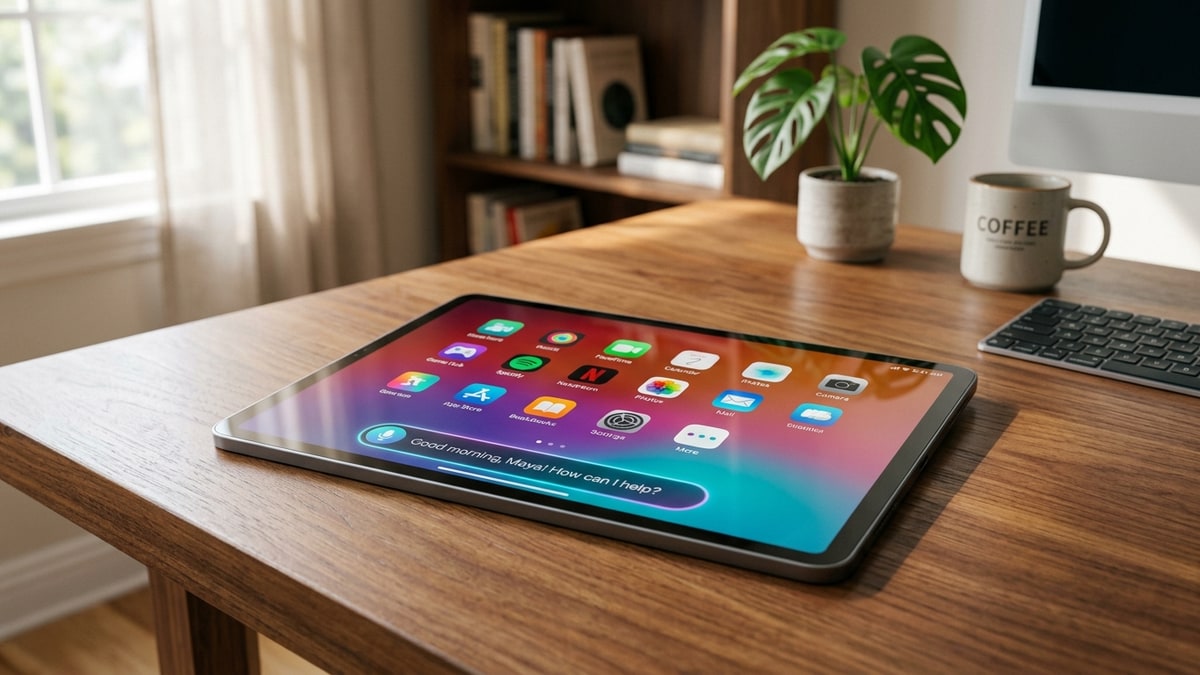
Amazon's newly introduced Alexa Tablet family is scheduled to begin shipping on October 14, marking a significant change in the company's approach to affordable and mid-range tablets. The new devices replace the familiar Fire tablet branding with a range that includes the Alexa Tablet 8, Alexa Tablet 11 and Alexa Tablet 12 Pro. Perhaps the most important development for mobile gamers is the move toward a fuller Android experience with access to the Google Play Store.
Previous Fire tablets relied heavily on Amazon's own application ecosystem, creating additional complications for players who wanted access to the wider selection of Android games and services. The new approach could make the devices more attractive to families and casual gamers seeking reasonably priced tablets without the limitations associated with the previous software arrangement.
The Alexa Tablet 8 starts at approximately $230, while the larger models are positioned at around $330 and $500 or more depending on configuration. The devices feature MediaTek processors, updated displays and closer integration with Amazon's Alexa+ assistant. The premium model also offers accessories intended for productivity and creative applications.
These are not dedicated high-performance gaming tablets, and buyers should not expect them to compete directly with specialised devices from RedMagic or other gaming-focused manufacturers. However, improved access to Android applications could make them considerably more versatile for casual gaming, streaming and family entertainment. The development is particularly interesting because software availability often matters more than raw processing power for mainstream consumers.
A tablet with an enormous catalogue of accessible games can be more useful than a technically impressive device that struggles to run the applications people actually want.